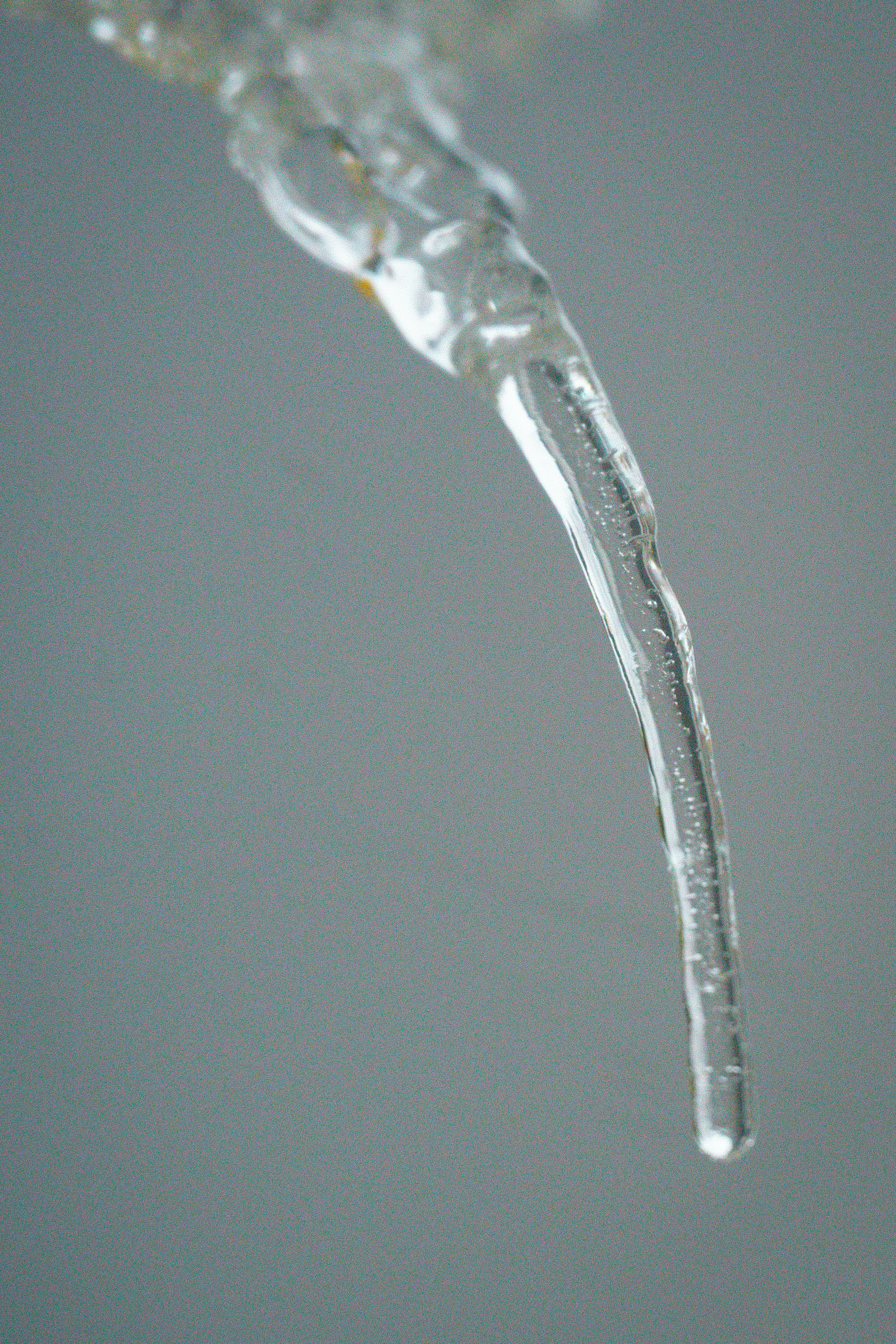
Are you braving the chill?
Boating Safely in Florida During Recent Cold Snaps
Florida is famous for its sunny skies and warm waters, but recent cold fronts have reminded boaters that winter can bring unexpected challenges. With temperatures dipping into the 20s and 30s in some areas and strong winds creating hazardous marine conditions, boating safely requires extra preparation and awareness.
What’s Happening on the Water?
The latest cold fronts have swept across the state, triggering Small Craft Advisories and rough seas offshore. Winds have gusted up to 25–30 knots, and waves have climbed as high as 6–9 feet in some regions. Intracoastal waters remain choppy, and rip current risks are elevated along beaches. Another cold front is expected soon, so conditions may stay challenging for a few more days.
Why Cold Weather Matters for Boaters
Cold air and water aren’t just uncomfortable—they can be dangerous. Falling overboard in chilly waters increases the risk of hypothermia and cold-water shock. Engines and batteries may also struggle in lower temperatures, making breakdowns more likely.
Top Tips for Safe Winter Boating
If you’re planning to head out despite the chill, keep these safety tips in mind:
- Dress for Immersion: Layer up with moisture-wicking, insulating, and waterproof gear. A float coat or survival suit adds warmth and buoyancy.
- Wear Your Life Jacket: Always keep it on top of your layers for maximum safety.
- File a Float Plan: Share your route and return time with someone on shore.
- Prep Your Boat: Check the engine, battery, and safety gear. Pack emergency blankets, signaling devices, and a charged VHF radio.
- Monitor Weather Constantly: Conditions can change fast—be ready to cut your trip short.
The Bottom Line
Florida’s waterways are beautiful year-round, but winter boating demands respect for the elements. By dressing appropriately, preparing your vessel, and staying alert to changing conditions, you can enjoy the adventure safely—even when the thermometer takes a dive.