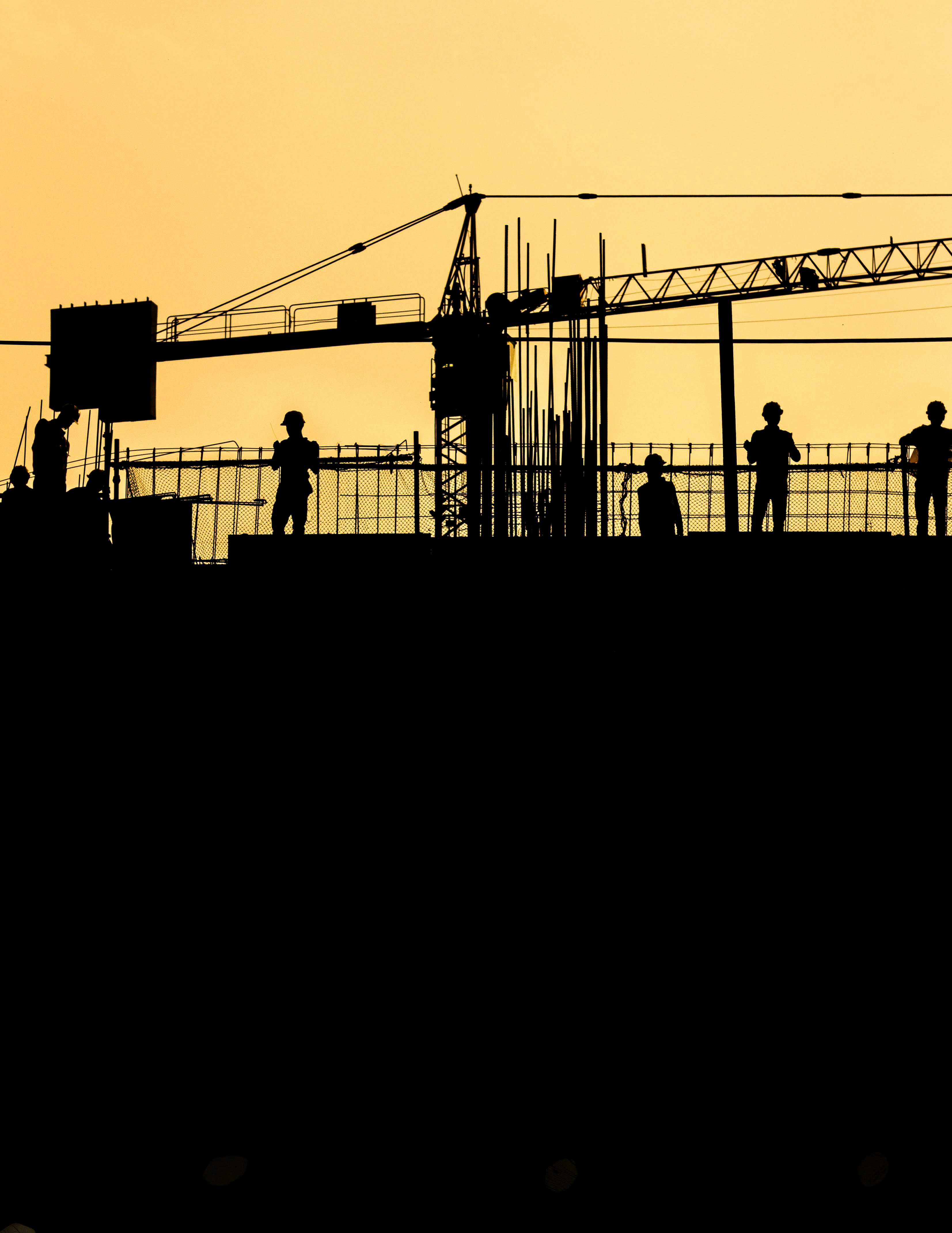
How We Came to Celebrate Labor Day
Every year, Labor Day gives people a chance to relax, spend time with family, and enjoy a well-earned break from work. But the holiday has a deeper meaning rooted in the history of workers’ rights.
Labor Day began during the late 19th century, a time when many Americans worked long hours in difficult and often unsafe conditions. As factories and industries grew, workers organized labor unions to fight for fair wages, reasonable working hours, and better treatment on the job. These movements led to public demonstrations and rallies that highlighted the importance of workers to the nation’s success.
In recognition of these efforts, the United States established Labor Day as a federal holiday in 1894. The holiday was created to honor the contributions and achievements of American workers, whose dedication helped build the country’s economy and infrastructure.
Today, Labor Day is celebrated on the first Monday of September. While many people mark the occasion with barbecues, parades, and the unofficial end of summer, it remains an important reminder of the value of hard work and the progress made in improving workplace conditions.
Labor Day is more than just a day off. It is a tribute to the men and women whose labor has shaped our communities and continues to drive society forward.