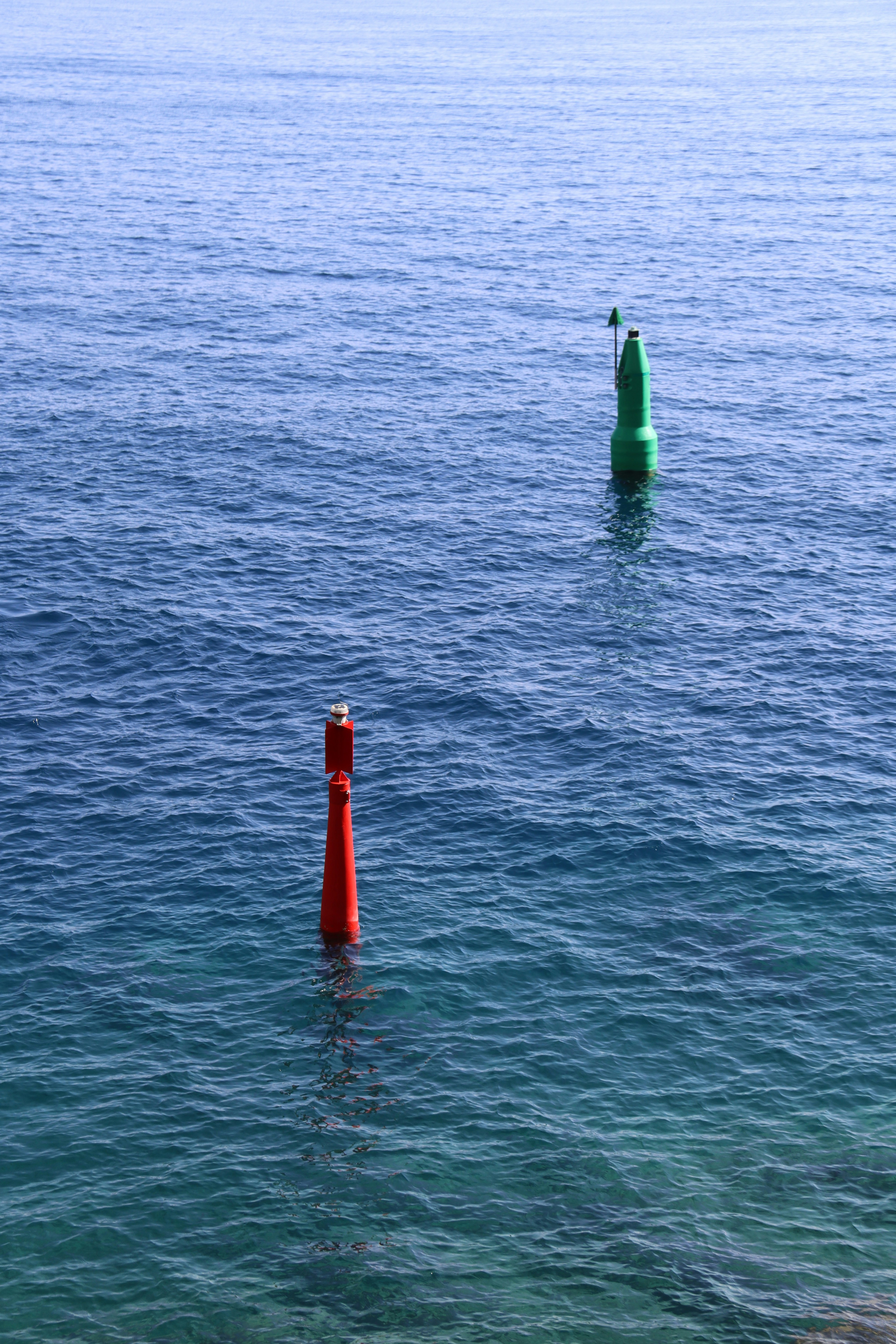
Unlike driving on a road, boating doesn’t involve stop signs, traffic lights, or marked lanes. Instead, boaters follow navigation rules that determine which vessel should maintain its course and which should take action to avoid a collision. These vessels are known as the stand-on vessel and the give-way vessel.
For powerboats, one of the most important rules of right of way is simple: if another boat is approaching from your right (starboard) side, you must give way. The boat on your right is typically the stand-on vessel and should maintain its course and speed.
When two powerboats meet head-on, both operators should turn to starboard (right), allowing the boats to pass safely port-to-port. If you’re overtaking another boat from behind, you are responsible for keeping clear and passing safely.
It’s also important to remember that sailboats, kayaks, and other less maneuverable vessels often have priority over powerboats.
The most important rule of all is that every boater has a responsibility to avoid a collision, regardless of who technically has the right of way. Safe, courteous boating helps everyone enjoy their time on the water.