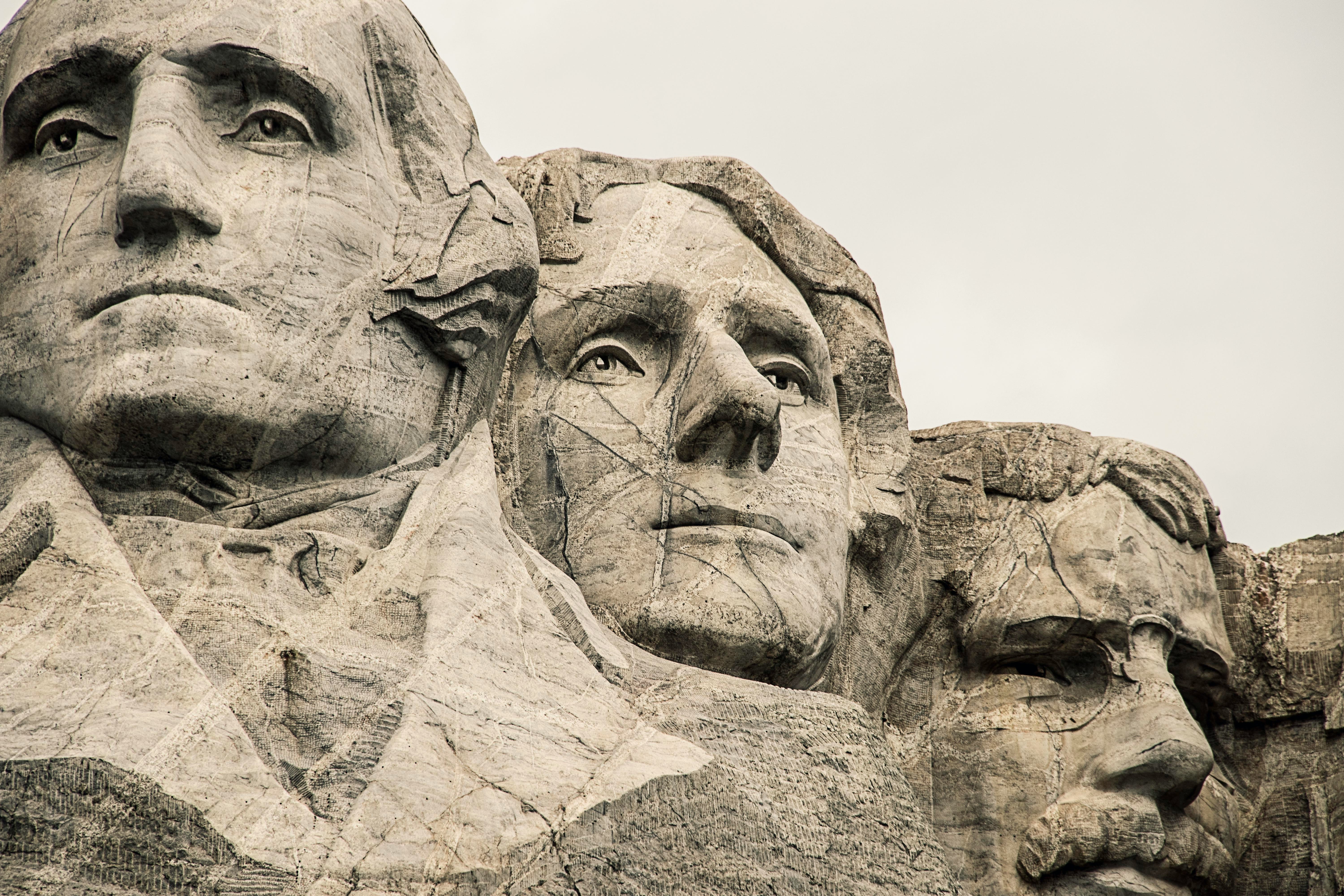
What does President’s Day mean today? Seems things are a little different.
President’s Day, observed on the third Monday of February, has evolved far beyond its original purpose. First established in 1885 to honor George Washington’s birthday, the holiday later became part of the Uniform Monday Holiday Act, which moved several federal holidays to Mondays to create long weekends. Over time, the day also came to recognize Abraham Lincoln, whose birthday falls in the same month, and eventually all U.S. presidents—past and present.
Today, President’s Day stands for more than historical birthdays.
It’s a moment for Americans to reflect on the nation’s leadership across generations: the achievements, the challenges, and the evolving vision of the presidency. Schools, communities, and cultural institutions often use the day to spark conversations about civic responsibility, democracy, and the values that have shaped the country. For many people, it’s also a practical winter break—marked by community events, volunteer opportunities, and of course, the well-known retail sales.
In a modern context, President’s Day has become a blend of history, reflection, and tradition—a reminder of where the country has been and where it still hopes to go.