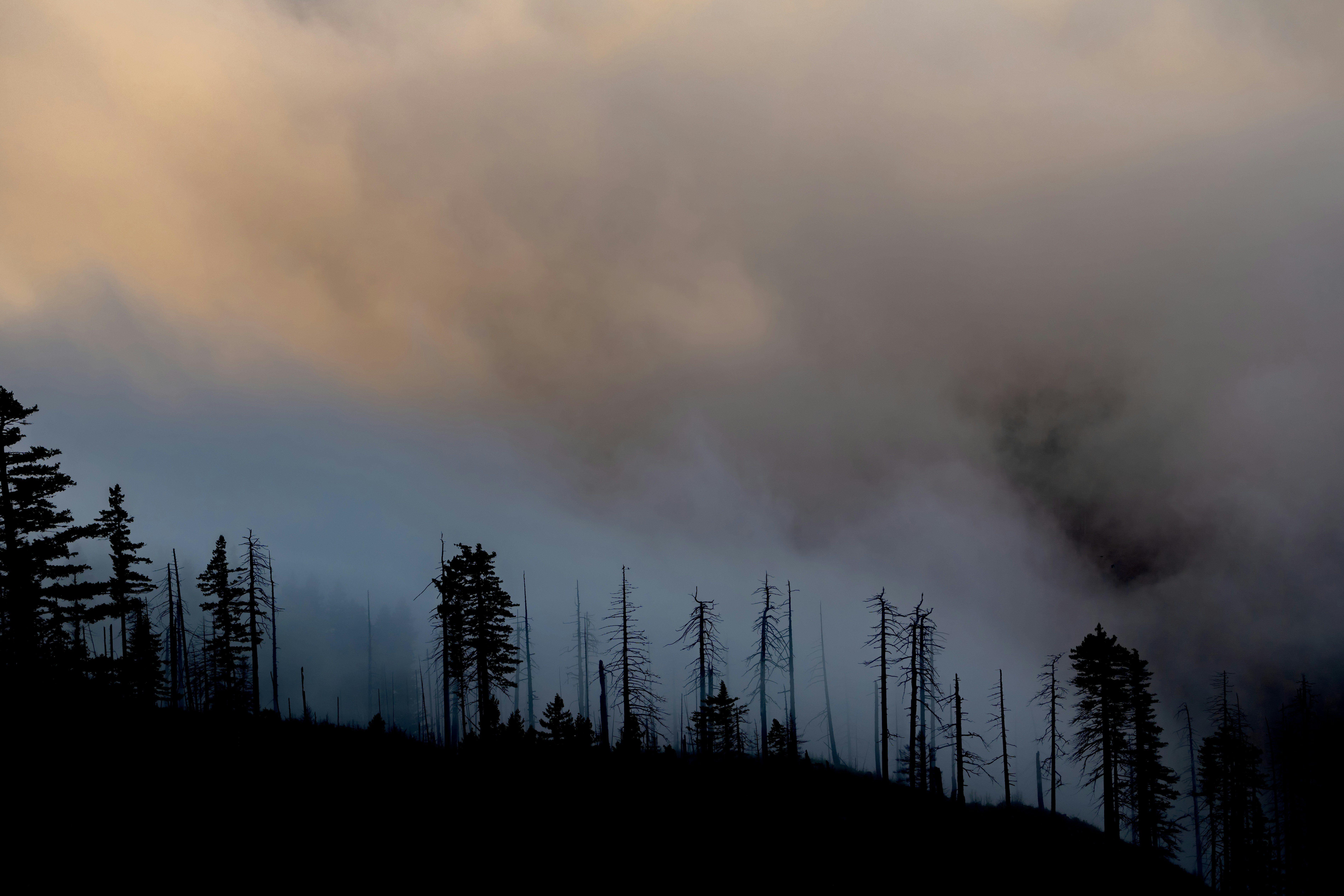
How Canadian Wildfires Are Affecting East Coast Weather
As smoke from massive Canadian wildfires drifts across the United States, many East Coast residents are noticing hazy skies, colorful sunsets, and poorer air quality. While the fires are not the primary cause of the region’s changing weather patterns, they are having a noticeable impact on daily conditions. [
The most immediate effect is air quality. Smoke from wildfires burning in Canada has spread into the Northeast and Mid-Atlantic, creating unhealthy conditions for millions of people. Cities from New York to Washington, D.C., have experienced reduced visibility and elevated pollution levels as smoke settles near the ground.
Wildfire smoke can also influence the atmosphere by filtering sunlight and creating hazy skies. This may slightly reduce daytime heating in some locations, but these effects are generally minor compared to larger weather drivers such as the jet stream, storm systems, and ocean temperatures.
The dramatic swings between heat, storms, and cooler weather that have recently affected the East Coast are primarily linked to changing jet-stream patterns and atmospheric conditions rather than the wildfires themselves. However, the smoke adds another layer to an already active weather environment, making conditions feel even more unusual.
In short, Canadian wildfires are not controlling East Coast weather, but they are affecting what people see and breathe. The result is a summer marked by hazy skies, air-quality alerts, and a visible reminder of how events hundreds of miles away can impact communities along the East Coast.