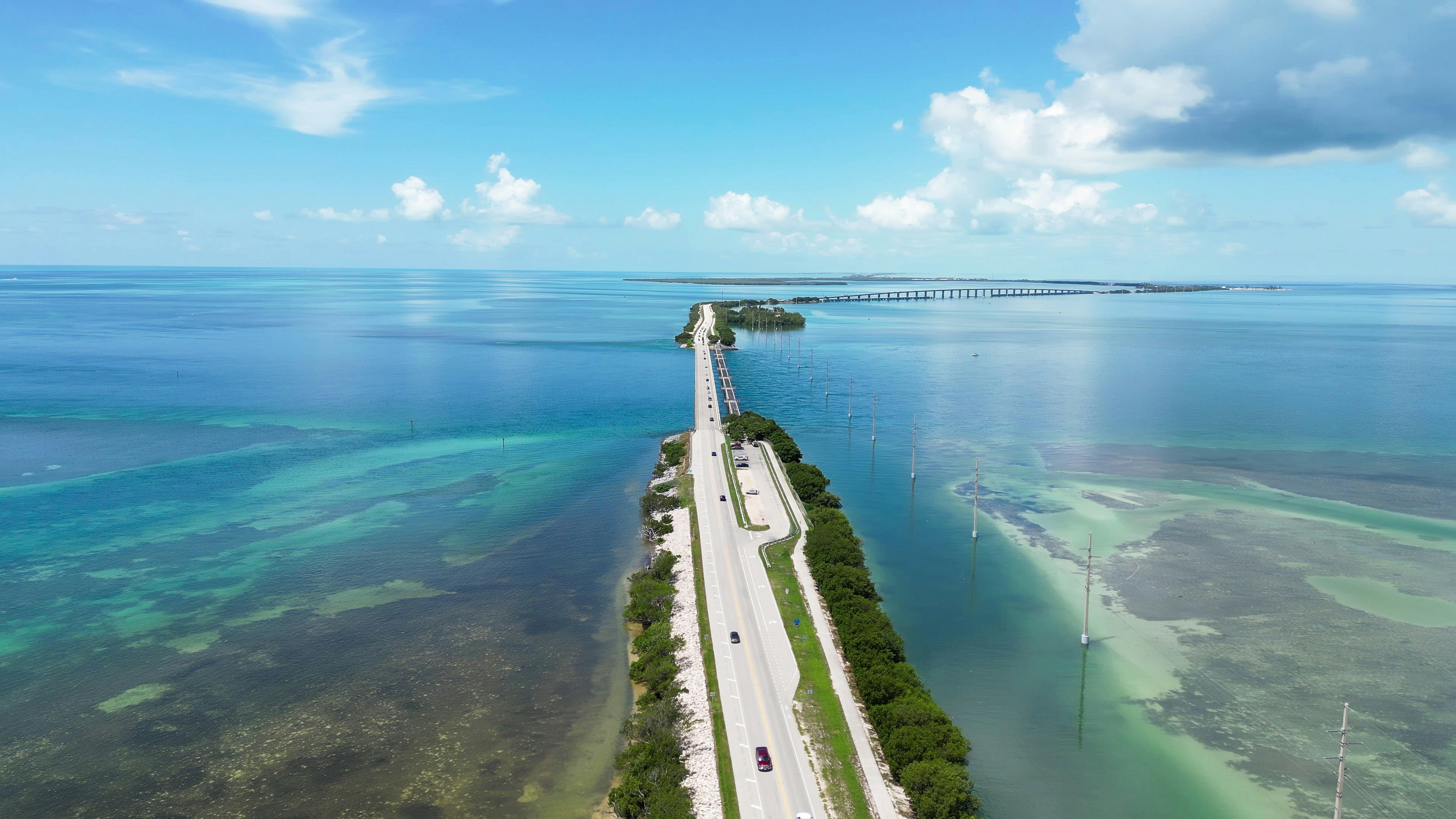
One of the most talked-about developments in recent years is the Boater Freedom Act, legislation designed to reshape how boating regulations are enforced across Florida.
The Impact of Florida’s Boater Freedom Act: A New Era for Recreational Boating
Florida has long been known as the boating capital of the United States, with more than a million registered vessels and year-round access to some of the most desirable waterways in the world. As boating continues to play a major role in the state’s economy and lifestyle, lawmakers have introduced significant changes aimed at balancing safety, personal freedom, and government oversight.
What Is the Boater Freedom Act?
The Boater Freedom Act changes the way law enforcement interacts with recreational boaters. Under the law, officers must generally have probable cause or a specific legal reason before stopping and boarding a vessel for inspection. Previously, random safety inspections could be conducted without suspicion of a violation.
The legislation also prevents local governments from regulating vessels based solely on their power source, ensuring that boat owners can continue to operate gas-powered boats without facing local restrictions.
Greater Freedom for Responsible Boaters
For many Florida boat owners, the most significant benefit is the reduction of random vessel stops. Supporters argue that responsible boaters should not be subject to inspections without cause, comparing the change to protections citizens expect in other areas of daily life.
The law seeks to create a clearer distinction between proactive safety enforcement and unnecessary interference. By focusing enforcement efforts on actual violations and unsafe behavior, officers can direct their attention where it is most needed.
The Ongoing Safety Debate
While boating advocates have largely welcomed the legislation, some marine safety professionals have raised concerns about reducing opportunities for on-the-water safety inspections.
Florida continues to experience boating accidents each year, and officials regularly emphasize the importance of life jacket use, proper vessel operation, and avoiding alcohol while boating. Recent reports indicate that operator error, unsafe practices, and impaired boating remain major contributing factors in boating accidents throughout the state.
Critics argue that routine inspections often served as educational moments that helped identify safety issues before they resulted in accidents. Supporters counter that education programs and targeted enforcement can achieve the same goal while better protecting individual freedoms.
Investment in Boating Infrastructure
Another important aspect of the legislation is increased support for public boating infrastructure. The law includes provisions intended to help fund boat ramps, marina improvements, parking facilities, and waterway access projects through programs administered by the Florida Fish and Wildlife Conservation Commission.]
This investment comes at a critical time. Recent statewide data shows Florida has more than 10,000 marine facilities, illustrating the massive scale of the state’s boating industry and the growing demand for accessible waterfront infrastructure.
What This Means for Florida’s Boating Future
The Boater Freedom Act reflects a broader conversation about the role of government, public safety, and personal responsibility on the water. For many recreational boaters, the law represents a win for freedom and reduced regulatory burden. For safety advocates, it highlights the need for continued education and responsible boating practices.
Ultimately, the success of the law will depend on whether Florida can maintain or improve boating safety while giving responsible boaters greater autonomy. As one of the world’s largest boating markets, Florida will likely become a case study for how freedom-focused boating policies affect safety, enforcement, and recreational boating participation in the years ahead.
Final Thoughts
The Boater Freedom Act is more than a regulatory change. It is a shift in philosophy that places greater trust in Florida’s boating community while emphasizing targeted enforcement over routine inspections. As the law continues to shape the state’s waterways, boaters, marinas, law enforcement agencies, and policymakers will all be watching closely to see whether this new approach delivers on its promise of both freedom and safety.