New Technology Is Transforming the Boating Industry in 2026
The boating industry is experiencing one of the most transformative periods in its history. In 2026, advances in artificial intelligence, electrification, connectivity, and automation are no longer experimental concepts—they are real, deploy-able technologies reshaping how boats are built, operated, and enjoyed. From AI‑assisted navigation to smarter marinas and cleaner propulsion, today’s boats are becoming safer, easier to use, and more sustainable than ever before.
Artificial Intelligence and Assisted Autonomy at the Helm
One of the biggest breakthroughs in 2026 is the rapid adoption of AI‑assisted boating systems. Rather than fully autonomous vessels, most consumer‑facing innovations focus on assisted navigation—systems that support captains during high‑stress or complex maneuvers.
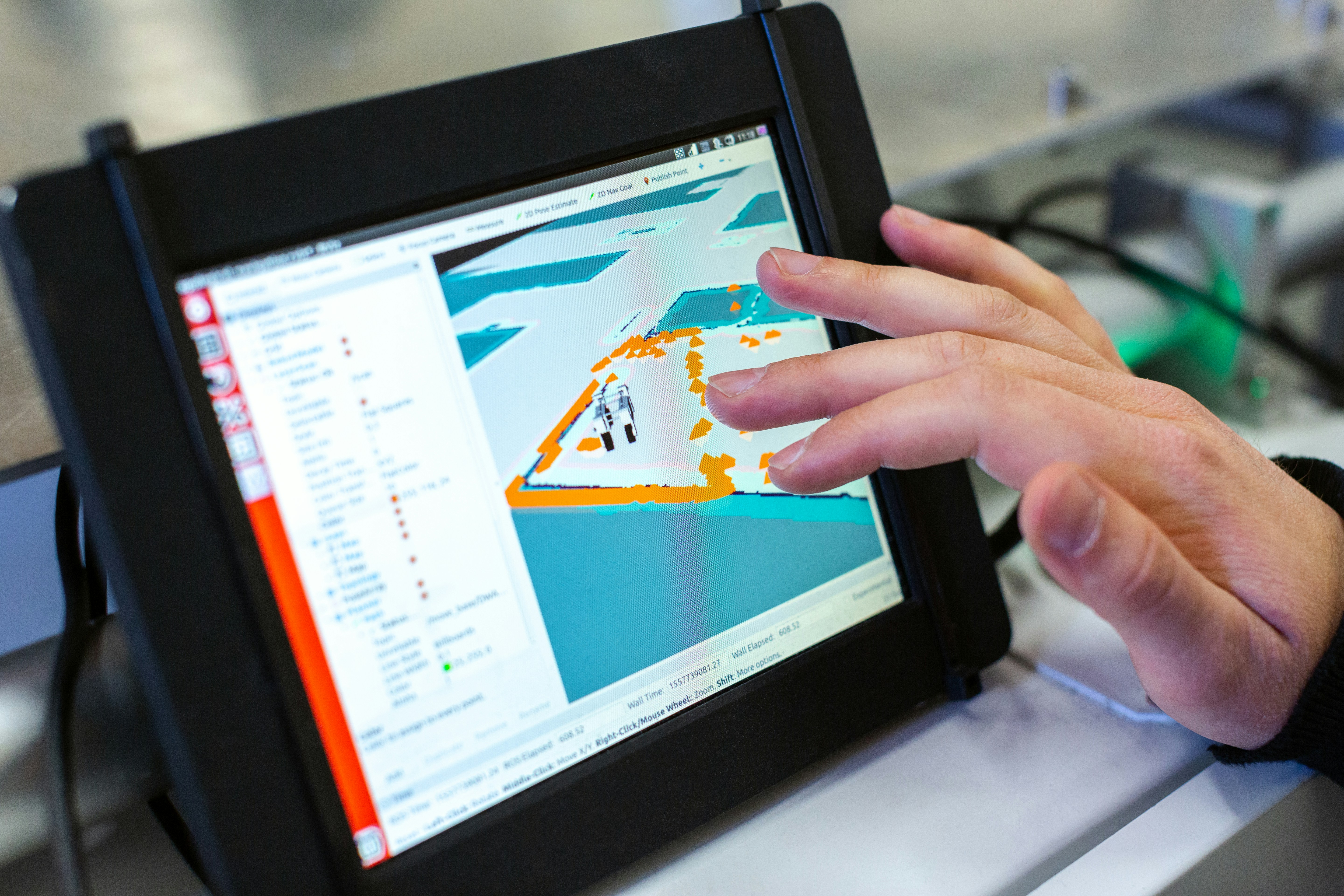
Marine manufacturers showcased AI‑driven docking, low‑speed maneuvering, and situational awareness systems at major industry events such as CES 2026, IBEX, and FLIBS. These tools use stereo cameras, GPS, radar, and onboard processors to help boaters dock, hold position, or navigate crowded marinas while allowing instant human override. The goal is not to replace the captain, but to reduce anxiety and improve safety for operators of all experience levels.
AI is also being integrated into navigation and forecasting tools, helping boaters assess environmental conditions and make smarter route decisions in real time. Manufacturers and industry experts note that these systems are already becoming standard on high‑end recreational boats and are rapidly trickling down to mid‑range vessels.
Electric Propulsion and Sustainable Power Systems
Sustainability continues to be a strong driver of innovation in 2026. Electric outboards, battery‑powered propulsion, and hybrid systems are gaining traction as improvements in range, torque, and charging infrastructure make them more practical for everyday boating.
Electric motors are now being paired with modular battery banks and onboard energy management systems that optimize power use and extend operational time. Solar‑assisted charging and improved generator efficiency further support longer trips with reduced emissions. These developments align with broader industry efforts to lower environmental impact without compromising performance or reliability.
Beyond recreational boating, maritime research and commercial sectors are also testing alternative power systems, highlighting a wider move toward decarbonization that is influencing consumer boat design.
Smart Connectivity and Remote Monitoring
Connectivity is another defining feature of modern boats in 2026. Internet‑of‑Things sensors are now commonly embedded throughout vessels, allowing owners to monitor fuel levels, battery health, bilge pumps, and engine performance remotely via mobile apps.
These systems provide real‑time alerts and long‑term performance data, helping owners catch potential problems early and plan maintenance more effectively. Predictive monitoring tools are especially valuable for reducing downtime and unexpected repair costs, offering peace of mind whether a boat is docked at a marina or stored off‑site.
This shift toward always‑connected boats mirrors trends seen in automotive and smart‑home technology, reinforcing the idea that modern boats are becoming integrated digital platforms rather than isolated machines.
Next‑Generation Navigation and Safety Systems
Navigation technology has also taken a major leap forward. In 2026, high‑resolution radar, sonar, and augmented‑reality helm displays are improving awareness in poor visibility, crowded waterways, and unfamiliar locations.
These systems overlay navigation data onto real‑world views, making it easier for captains to identify hazards and nearby vessels. Combined with AI‑assisted collision avoidance and advanced autopilot tools, next‑generation navigation is significantly raising the safety baseline across the industry.
Predictive maintenance tools are also playing a critical safety role. By continuously analyzing engine and system performance, these technologies can warn operators of developing issues before they become serious, improving reliability on both short and long voyages.
Smarter Boats and Smarter Marinas
The boating experience in 2026 extends beyond the vessel itself. Smart marinas are increasingly deploying IoT sensors and AI‑driven software to manage docking, energy use, security, and maintenance more efficiently.
For boaters, this means app‑based slip reservations, automated dock guidance, real‑time weather updates, and improved on‑site safety. For marina operators, these technologies improve occupancy management, reduce operational costs, and support sustainability goals.
Together, smart boats and smart marinas are creating a more seamless, connected boating ecosystem, especially in high‑traffic U.S. coastal regions.
The Future of Boating Is Already Here
What sets 2026 apart is not just the sophistication of marine technology, but its readiness for real‑world use. AI assistance, electric propulsion, smart connectivity, and automated safety features are no longer confined to concept boats or trade‑show demonstrations. They are actively shaping the boats consumers can buy today.
As these technologies continue to mature and become more accessible, the boating industry is entering a new era—one defined by safer operation, reduced environmental impact, and a more enjoyable experience for everyone on the water.