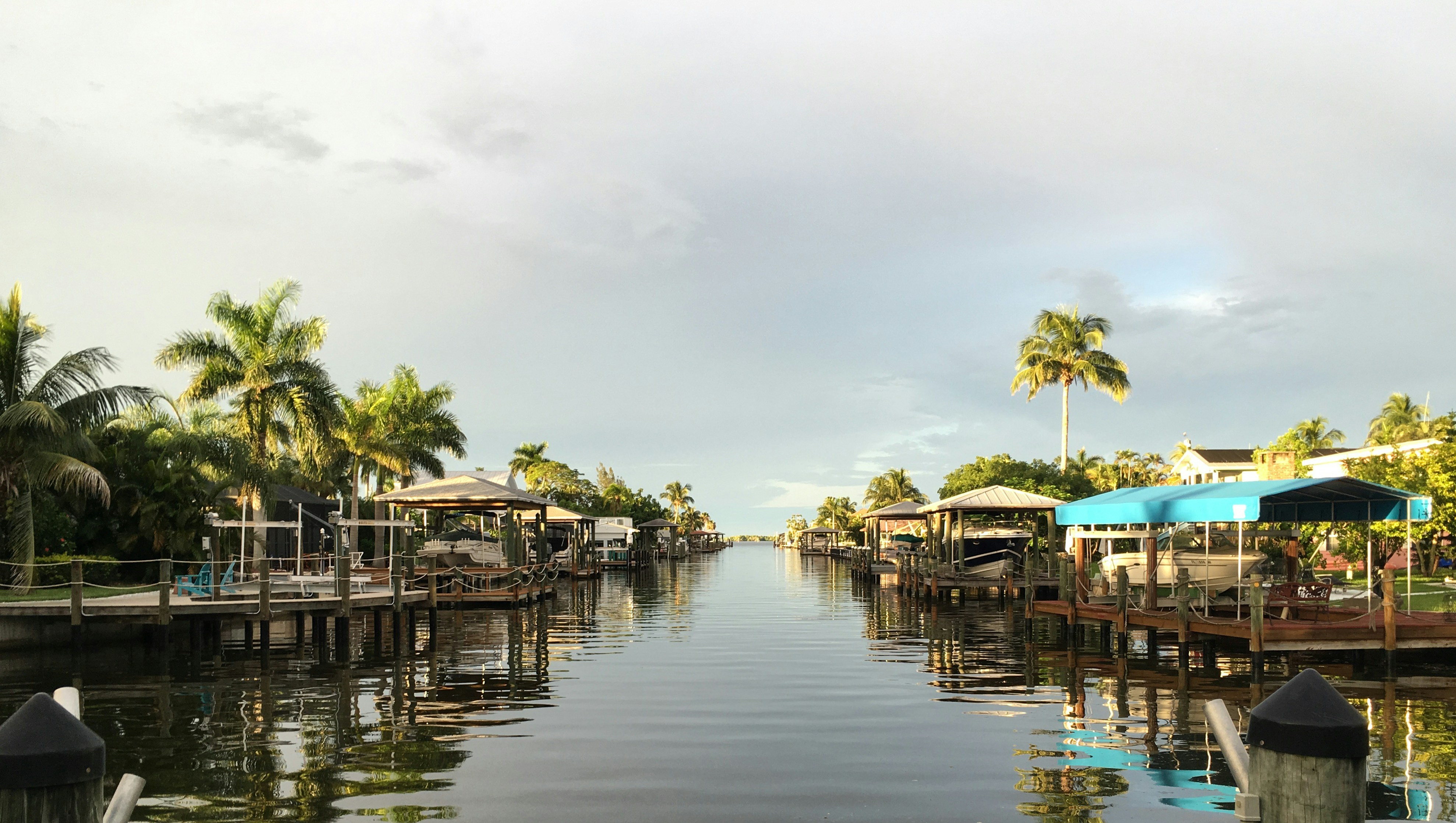
Florida Spring Boating Conditions Transition To Summer
As spring boating conditions transition into summer, Florida’s waterways come alive. Late April through May—and into early June—marks one of the most dynamic boating periods of the year. Known for its warm temperatures, building sea breezes, and shifting weather patterns, the pre‑summer season offers both incredible opportunities and unique challenges for boaters.
A Season of Transition
Pre‑summer boating in Florida sits right at the crossroads between calm spring days and the more intense summer season. Conditions are often inviting, but they can change quickly.
- Temperatures are warm and humidity begins to rise
- Waters are generally comfortable for swimming and cruising
- Boat traffic increases as peak season begins to ramp up
For many boaters, this is a sweet spot: fewer crowds than midsummer but increasingly lively conditions and longer daylight hours.
Winds: Calm Mornings, Breezy Afternoons
One of the defining features of Florida’s late spring boating season is the daily wind cycle.
- Mornings often start calm or with light winds—ideal for longer runs
- By midday, sea breezes build as land heats up
- Afternoon winds can create choppier conditions, especially in open water
Across many coastal zones, forecasts show typical winds around 5–15 knots with occasional higher gusts, especially near storms.
Seas and Water Conditions
Water conditions during pre‑summer are generally manageable—but variable:
- Seas commonly range around 2 to 4 feet offshore
- Intracoastal and bay waters range from smooth to moderate chop
- Passes and inlets can get rough as winds oppose currents
Localized conditions can change rapidly, especially when:
- Wind opposes tide
- Afternoon storms develop
- Coastal sea breeze intensifies
Weather: The Biggest Wild Card
Weather is the most important factor during pre‑summer boating in Florida.
What to expect:
- Calm, sunny mornings
- Increasing cloud cover midday
- Frequent afternoon thunderstorms with lightning, gusty winds, and heavy rain
These storms can:
- Build quickly and move offshore late in the day
- Produce locally higher winds and waves than forecasts indicate
Boater tip: Always monitor marine forecasts and keep a close eye on the horizon—conditions can shift in minutes.
Storm Season Is Around the Corner
While hurricane season officially begins on June 1, pre‑summer is when preparation becomes critical.
- Early tropical systems can develop
- Marinas begin preparing for storm activity
- Boaters should finalize maintenance and safety plans
This is the ideal time to:
- Inspect engines and electrical systems
- Check bilge pumps and safety gear
- Review insurance and emergency plans
Tides, Currents, and Navigation Hazards
Florida’s coastal environment adds another layer of complexity.
- Tides can fluctuate several feet daily
- Strong currents form in inlets and passes
- Shallow areas and sandbars may become hazards at low tide
In addition:
- Changing water levels can expose hidden obstacles
- Wind-against-tide conditions can create steep, uncomfortable chop
Boater tip: Always consult tide charts before heading out and be cautious in unfamiliar waterways.
Environmental Factors: Red Tide & Algae
Depending on location and conditions, harmful algal blooms (like red tide) can occasionally affect boating areas.
- Blooms can occur when warm, nutrient‑rich waters develop
- Effects may include fish kills and respiratory irritation near shore
While not constant, checking local water quality reports is a smart habit before planning a trip.
Increased Traffic on the Water
As summer approaches, Florida becomes busier:
- More recreational boaters, anglers, and tourists
- Increased congestion at ramps, marinas, and popular sandbars
- Higher risk of collisions due to inattention or inexperience
Officials note that many accidents are linked to operator awareness and crowded conditions, reinforcing the need for vigilance.